Usambara Mountains
The Galapagos of Africa
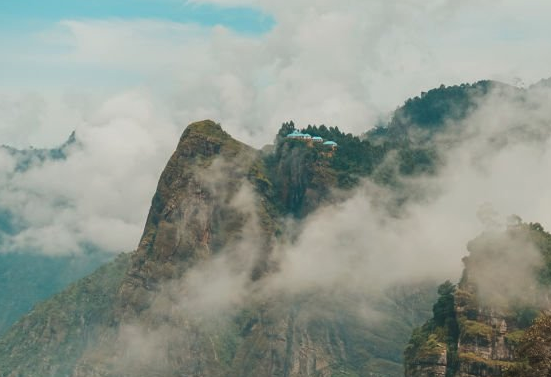
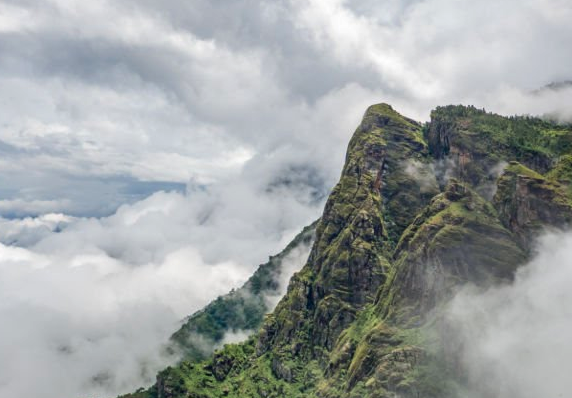
Known as the "Galapagos of Africa," the Usambara Mountains are a biodiversity hotspot featuring endemic species, lush montane forests, and traditional villages. This cool climate retreat offers incredible hiking, cultural experiences, and some of Tanzania's most spectacular mountain scenery.
Biodiversity Hotspot
The Usambara Mountains are part of the Eastern Arc Mountains, an ancient mountain range that has been isolated for millions of years. This isolation has created a unique ecosystem with an extraordinary number of endemic species found nowhere else on Earth.
The mountains offer a refreshing escape from Tanzania's heat with their cool climate, misty forests, and terraced hillsides. Traditional villages dot the landscape, where local communities practice sustainable agriculture and maintain their cultural heritage.
Usambara Mountains Highlights
Discover the unique features that make the Usambara Mountains a special destination.
Endemic Species
Home to numerous endemic plant and animal species found nowhere else on Earth.
Lush Forests
Explore pristine montane forests with incredible biodiversity and misty atmospheres.
Traditional Villages
Visit authentic villages with terraced agriculture and preserved cultural traditions.
Cool Climate
Enjoy refreshing mountain air and escape from Tanzania's tropical heat.
Mountain Activities
Experience the diverse activities available in the Usambara Mountains.
Hiking & Trekking
- Forest hiking trails through endemic ecosystems
- Village-to-village trekking experiences
- Waterfall hikes and scenic viewpoints
- Bird watching and nature photography
Cultural Experiences
- Traditional village homestays
- Terraced agriculture learning experiences
- Local craft workshops and markets
- Traditional cooking classes
Ready to Explore the Galapagos of Africa?
Discover the incredible biodiversity and cultural richness of the Usambara Mountains.